

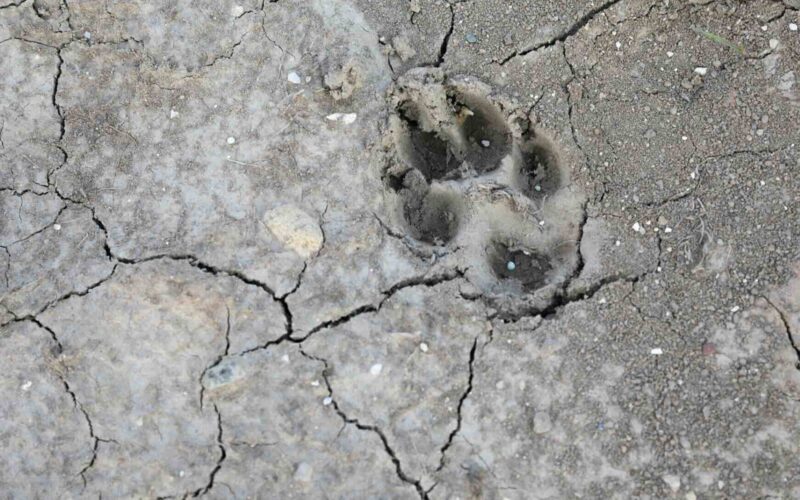
If you live in the area, you’ve probably seen one. Either at Cedarvale park or on the street. I saw one with long legs and big feet trotting along Glenholme Avenue one morning.
It looked a little too wily and skinny to be a dog, so I kept my distance. Ever since humans retreated because of COVID, local wildlife kind of took off. We now have wild rabbits in our backyard eating our unkempt grass. So that’s why it doesn’t surprise me, coyotes wouldn’t be far behind looking for prey.
I grew up in the city and any food chain that doesn’t involve a supermarket is foreign to me. Coyotes and rabbits living with us? What? Kind of cool, except when they start acting like what they are. Wild animals.
A child was attacked by a “problem coyote” in the city.
It was a problem according to Coyote Watch Canada because people started trying to tame it in different ways. So, it lost its natural fear of humans. How that led to a child being attacked, I don’t know.
Police reported that the coyote bit and dragged the child. But locals were quick to say that wasn’t entirely accurate. The child still had to go to hospital, get rabies shots, and so on.
From my experience in BC, were this to have happened in a rural area, the problem animal that lost its fear of humans and started attacking them would be hunted down. As a city dweller, I was disturbed by the ease with which the provincial authorities dealt with “problem bears.”
But in Toronto, it is the coyotes that are being “failed by human behaviour.” Leave them alone. And they will leave us alone.
That’s the theory. It’s a theory that I believe in as an adult, but not one I trust applies to little children or small pets. Wild carnivorous animals are wild carnivorous animals. And for the first in a long time, we’re once again living side by side with them.
So, don’t feed them.